

Women's Health panel
On preventative health, and reading the body's signals before they turn into pain
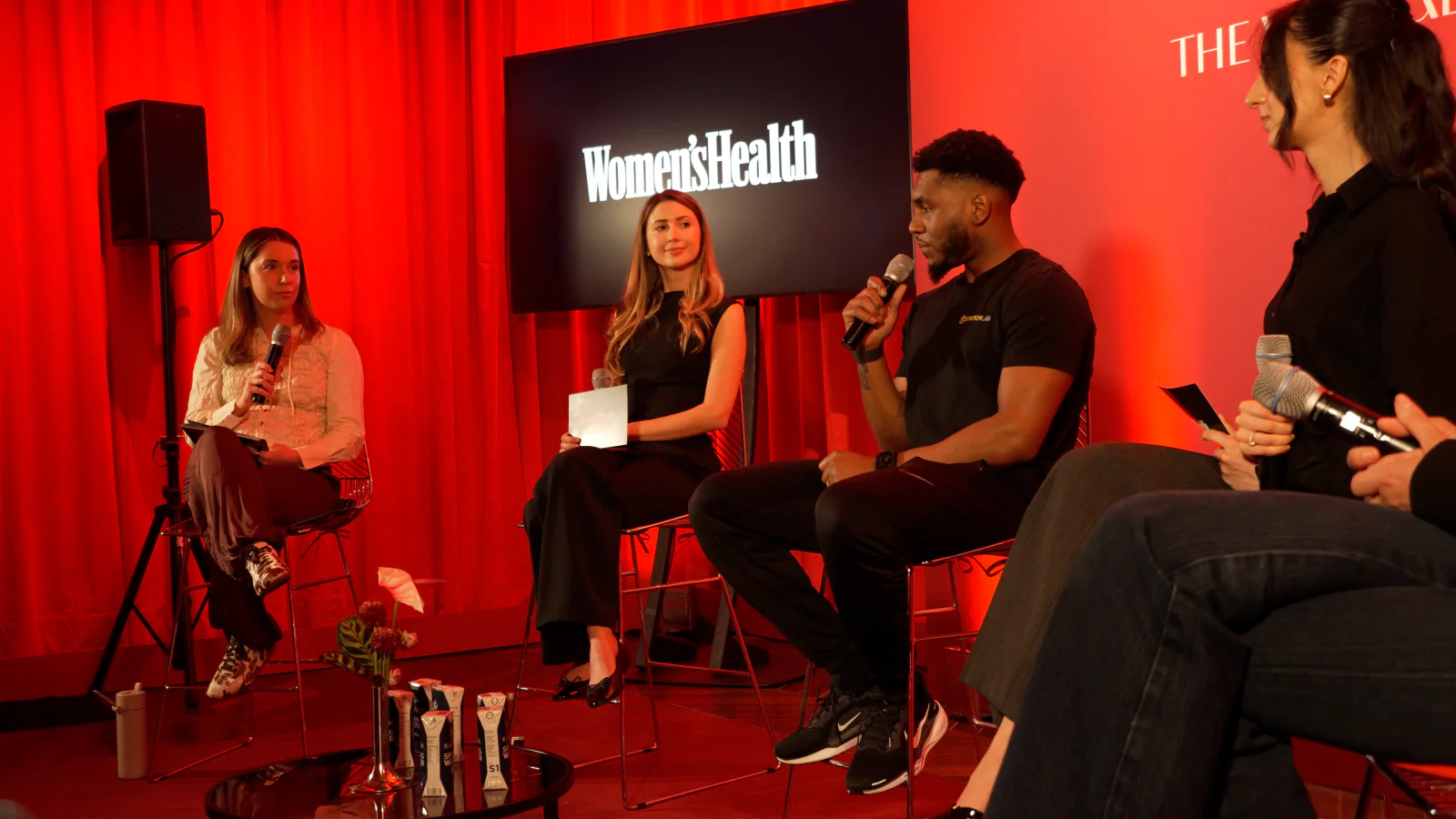
Josh joined a Women's Health panel on personalised wellness and preventative health, alongside a doctor and a nutritionist. The discussion kept returning to the same idea: movement, nutrition, sleep, stress and recovery are one picture, not separate problems, and most people wait too long before they start paying attention to it.
Josh spoke about assisted stretching, what it is actually for, and why the work starts with awareness rather than simply trying to make muscles longer.
Stretching is not about making muscles longer
The point is to bring awareness back into the body and let the nervous system settle. Length is a by-product. What changes first is how much the body is guarding.
Josh came to it from the other side of the problem. In his mid-twenties he was working twelve-hour telemetry shifts, most of them sitting down, and could feel what that was doing to him. That pushed him towards movement, and then towards homeostasis: the body's pull back towards balance.
Cultivate patience in the presence. Slow down enough to understand what the body is doing now, instead of forcing it towards the next goal.
Movement is a fingerprint
Everyone moves differently, so a session cannot be one fixed routine handed out unchanged. Some people are hypermobile. Some have very little mobility. Some have held tension so long they no longer realise how stiff they have become. A marathon runner and someone who sits at a desk all day do not need the same hour.
Before anything is decided, Josh looks at what the client wants from the session, how the joints respond, where the tension sits, the breathing, the range of motion, and the sport or lifestyle it all has to serve.
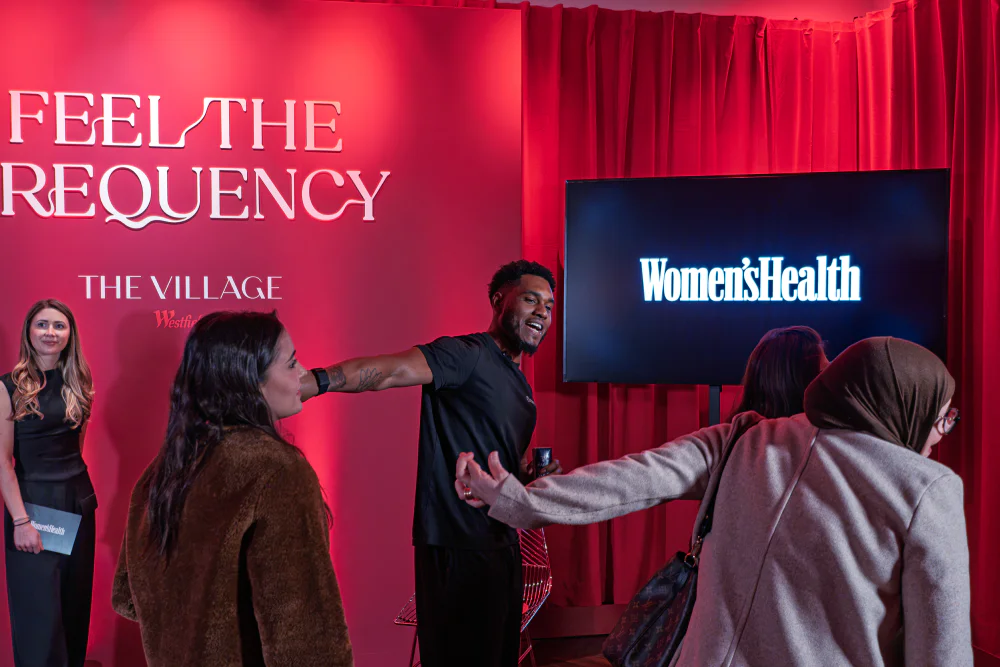
A session starts by warming the body and getting the muscles responding, then settling the nervous system and bringing in breath work. Range of motion is assessed after that, and the rest of the session is built around what it finds.
The aim is to unlock restriction so someone moves more comfortably, whether they are an athlete or not. Clients often notice it straight away: a shoulder that goes overhead more easily once the body has stopped bracing against it.
Do not wait for pain
Pain is a late signal. By the time it arrives, the body has usually been saying something quieter for a while: stiffness, a movement that feels unlike last week, tension that has not cleared, or range that has quietly shrunk.
Today this session is a little bit stiffer than usual. What's going on here?
Treat the body as data. If a movement feels different today, that is information. It is worth asking what changed rather than carrying on regardless. It might point to mobility, recovery, sleep, or something else entirely.
Repetitive load without enough recovery is stress on the body and nervous system like any other. If someone trains five times a week and starts collecting aches, the answer is not automatically to push through. Sometimes reducing the training load and spending more time on stretching, breath work and recovery will do more.
The session is not the whole of it
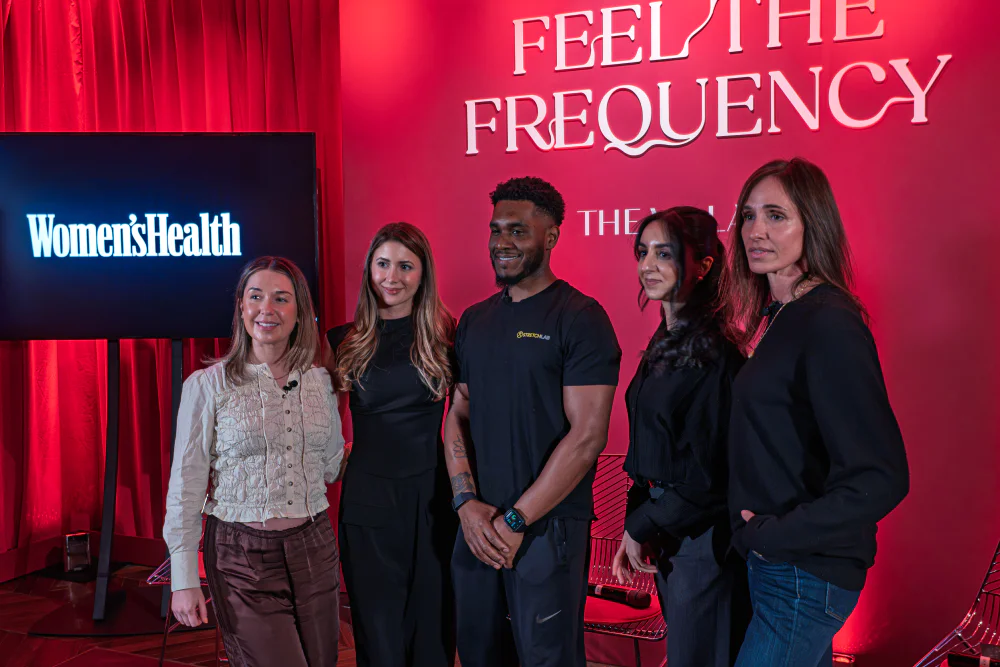
Twenty-five or fifty minutes cannot carry a week on its own. What the session gives is a dedicated period to reconnect with the body. The results come from consistency: daily movement, breath work, proper recovery, and noticing tension before it turns into pain.
On the night Josh also demonstrated a couple of things that need no practitioner, including a nerve floss using arm and head position, and a breathing and tapping exercise for bringing awareness back into the body.
The panel finished in roughly the same place it began: get the basics steady first. Movement, rest, recovery and mental health matter more than stacking up wellness interventions. And holistic care does not mean ignoring conventional medicine. Recognising red flags and referring on when something sits outside your expertise still matters.
Want to work through this in person?
Sessions run one to one across West London, at a health club in Mayfair and at a dedicated stretch studio. Get in touch and Josh will come back with what a first session would look like.